
Key Takeaways
- Low impact exercise protects your joints while keeping your body strong and mobile.
- Options like walking, tai chi, and water aerobics are gentle yet effective.
- Chair-based and stretching exercises can fit into any daily routine without equipment.
- Consistency matters more than intensity when it comes to staying active.
- A supportive environment can make regular movement feel natural and enjoyable.
Why Low Impact Exercise Matters as You Age
Staying active gets harder when every workout leaves your knees aching or your energy drained. You want to feel good in your body, not recover from a tough session. That’s exactly where low impact movement comes in, offering real benefits without the wear and tear.
Low impact exercise helps you build strength, improve balance, and protect your joints, all while supporting better sleep, mood, and daily independence. Whether you’re just getting back into a routine or looking to stay consistent, the right movement can fit your life and your body exactly where you are right now. And with National Senior Health & Fitness Day on May 27, there’s no better time to build healthy movement habits that feel realistic and sustainable
Move Your Body, Protect Your Joints
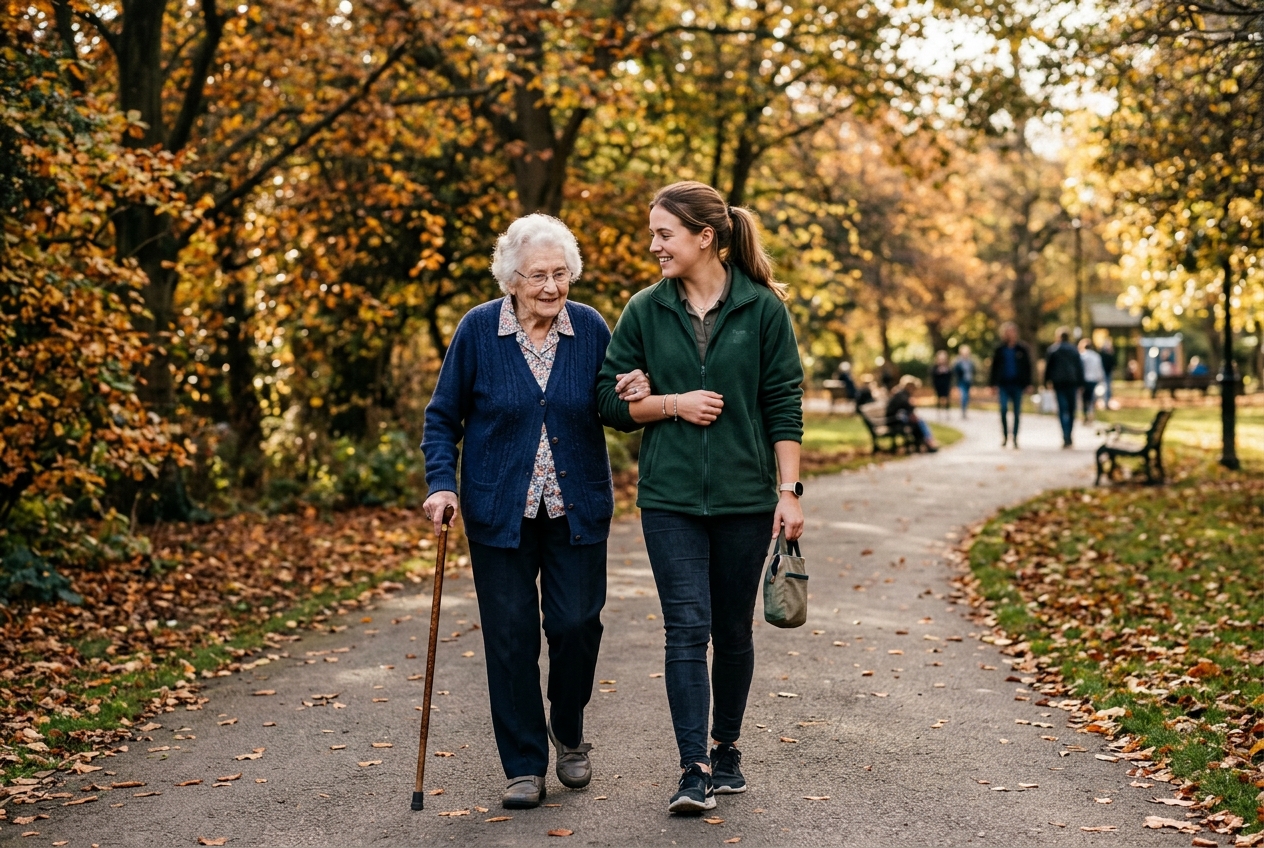
Walking is one of the simplest ways to stay active. It’s weight-bearing, which means it helps keep your bones strong, and you can start at any pace that feels comfortable. Even a 10-minute walk around the block counts as a great beginning. Research consistently shows that regular walking supports heart health, blood sugar control, and mental well-being in older adults.
Tai chi uses slow, flowing movements that challenge your balance without putting pressure on your joints. It’s especially helpful for reducing the risk of falls and improving your focus and coordination. Many people find it calming as well as physically rewarding. These 3 tai chi moves are a great starting point if you’re new to the practice.
Water aerobics gives your whole body a workout with almost no joint pressure at all. The water supports your body weight while still providing resistance, so your muscles work harder than you might expect. It’s a great option if walking feels uncomfortable on certain days.
Strength and Flexibility at Any Fitness Level
You don’t need a gym or heavy equipment to build real strength. Chair squats and seated leg lifts target your lower body, helping you get up from a chair with more ease and walk with greater confidence. Chair exercises like these are safe, effective, and easy to do at home.
For your upper body, wall push-ups and arm circles tone your arms and shoulders without straining your wrists or elbows. They can be done standing or seated, making them accessible no matter your current fitness level. A few sets a day can add up to noticeable results over time.
Yoga and Pilates focus on core strength, flexibility, and controlled breathing. A stronger core supports better posture and reduces back discomfort throughout the day. Chair yoga offers beginner-friendly modifications so you can move at your own pace without worrying about balance or floor work.
Simple Tips to Exercise Safely and Consistently
Starting slow is always the right move. Your body needs time to adjust to new activity, and pushing too hard too soon can lead to soreness that discourages you from continuing. A few minutes of movement each day builds momentum in a way that feels sustainable.
Listening to your body is just as important as showing up. Rest days are part of a healthy routine, not a sign of weakness. If something feels uncomfortable or off, it’s worth pausing and giving yourself time to recover before continuing. The National Institute on Aging offers practical guidance on building a safe and balanced activity plan as you get older.
Form matters more than speed or repetitions, especially with strength moves. Moving with control helps you get the full benefit of each exercise while reducing the chance of strain. If you’re unsure about technique, a team member at a wellness program or fitness class can offer helpful guidance.
How to Stay Active at Home Every Day
Easy Moves That Fit Into Daily Life
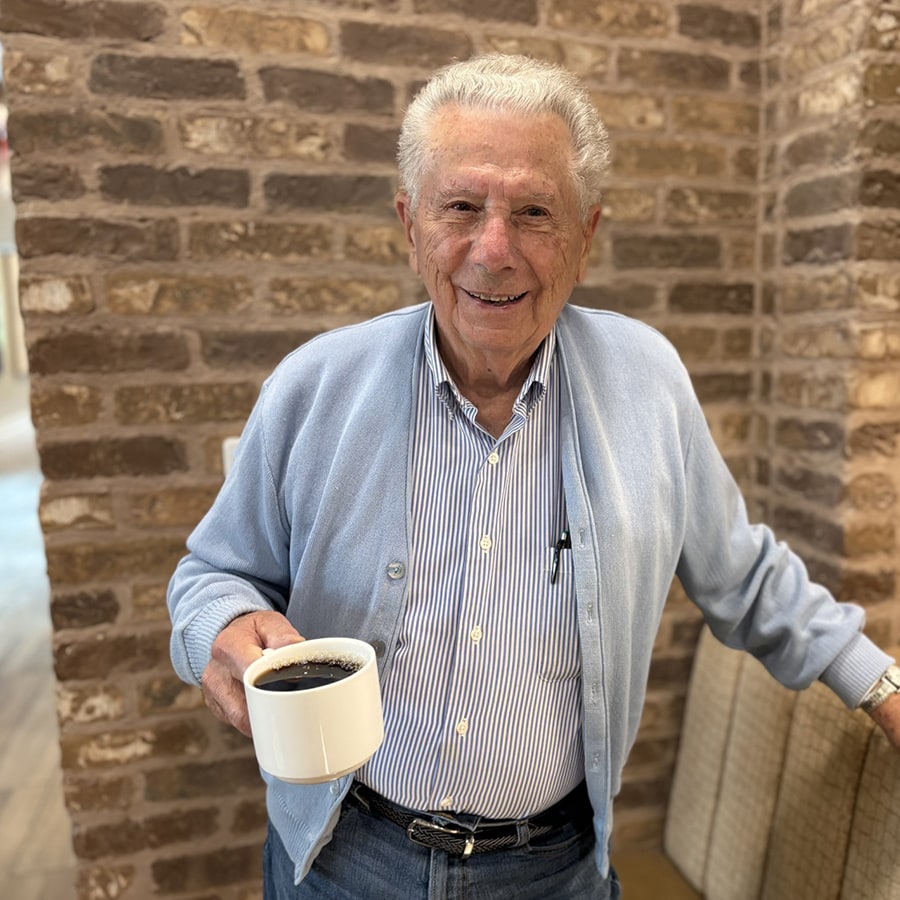
You don’t need a scheduled workout to move more throughout your day. Gentle neck stretches can release tension while you’re sitting in a chair, watching TV, or waiting for your morning coffee to brew. These small moments of movement add up over time.
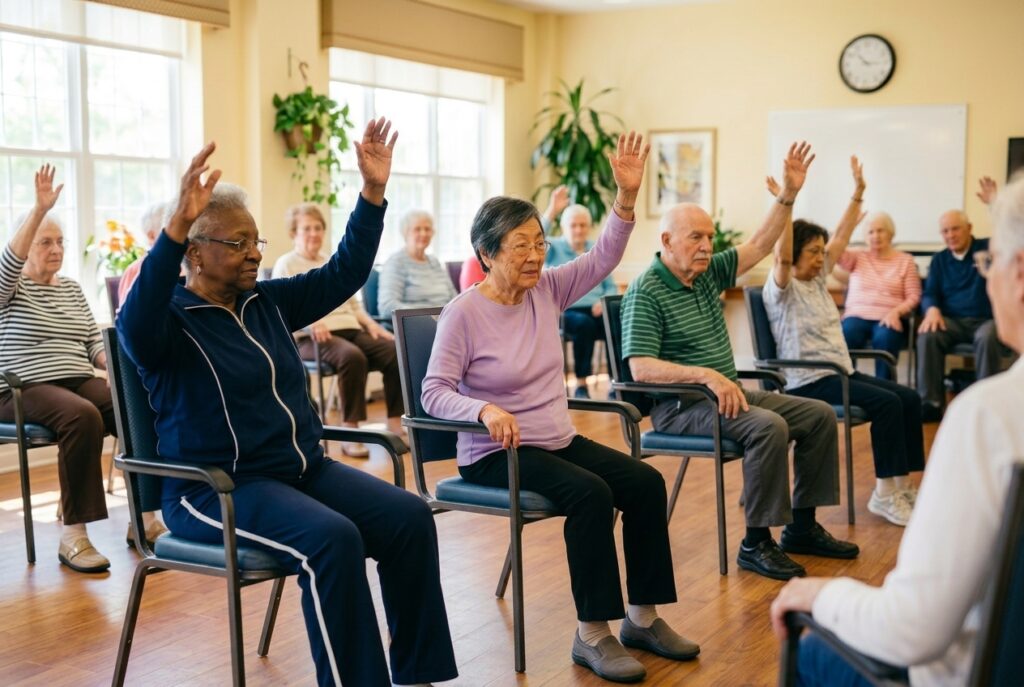
Chair-based exercises are some of the most practical tools for daily activity. They require no special equipment, no gym membership, and no large amount of space. Seated leg lifts, shoulder rolls, and ankle circles can all be done right where you already spend time.
What a Healthy Daily Routine Can Look Like
Aiming for around 30 minutes of movement most days is a reasonable and achievable goal. That doesn’t have to happen all at once. You can mix a short walk, a few strengthening moves, and some gentle stretching across different parts of your day.
Balancing cardio, strength, and flexibility throughout the week keeps your routine fresh and your body well-rounded. Variety also makes it easier to stay motivated because no 2 days feel exactly the same. This evidence-based guide on fitness as you age breaks down exactly how to structure a balanced weekly routine.
Move More With Support at Clearwater at The Arboretum
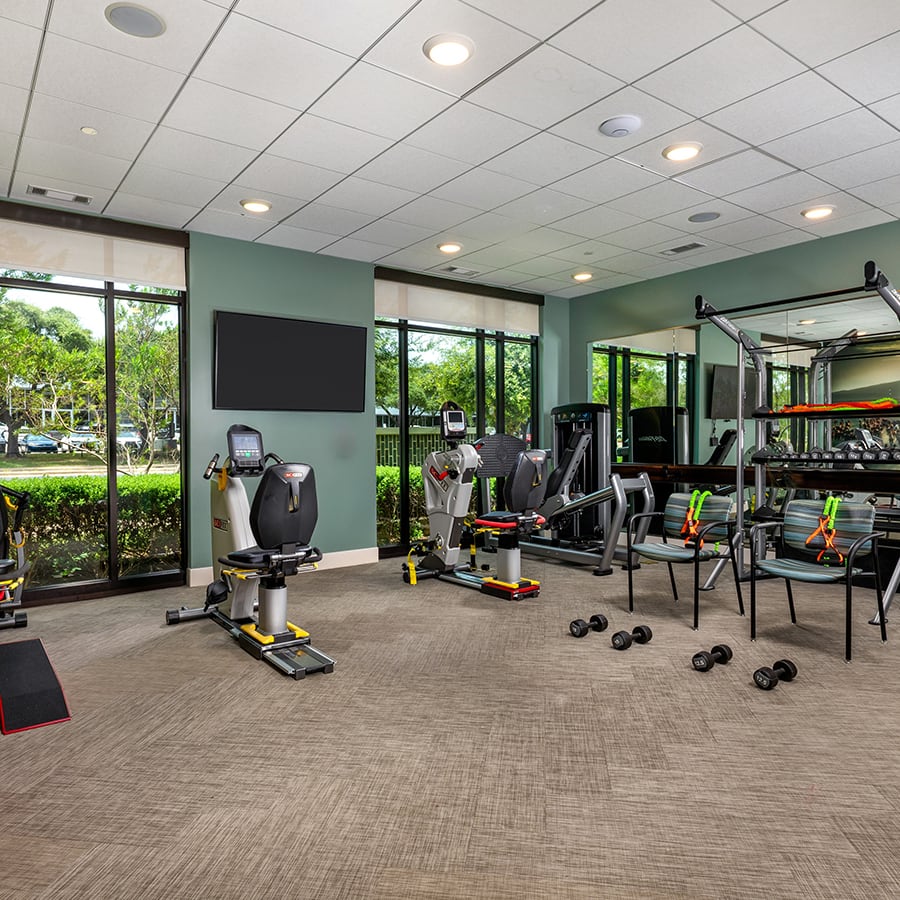
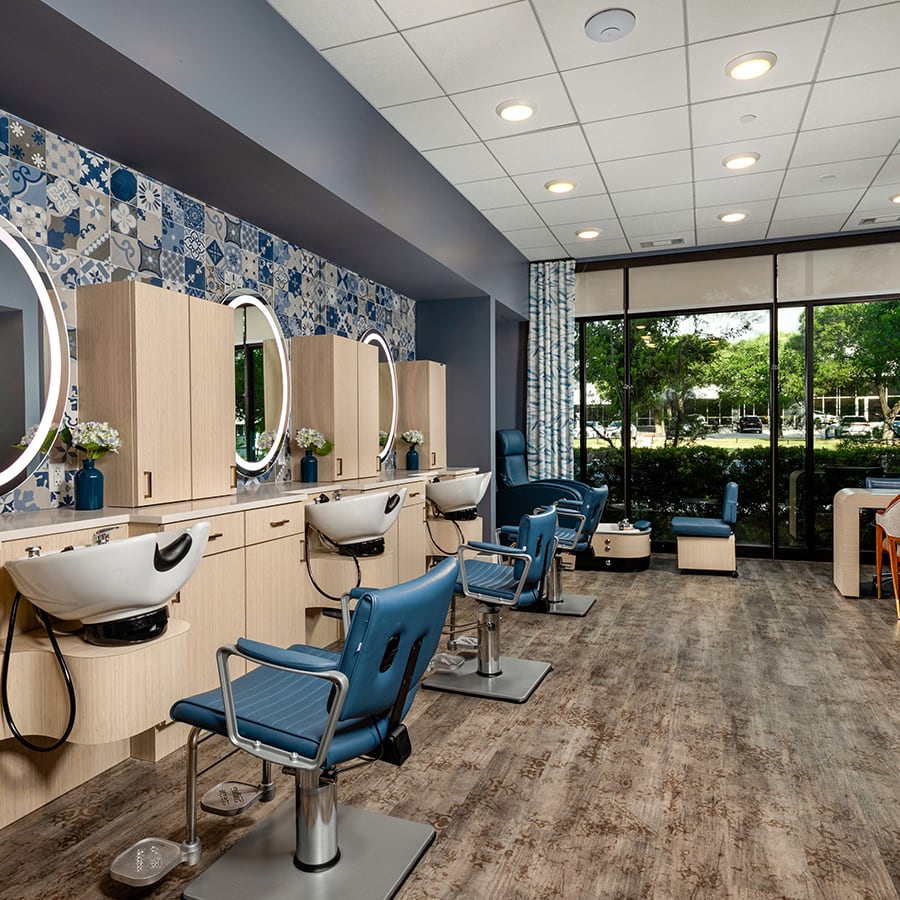
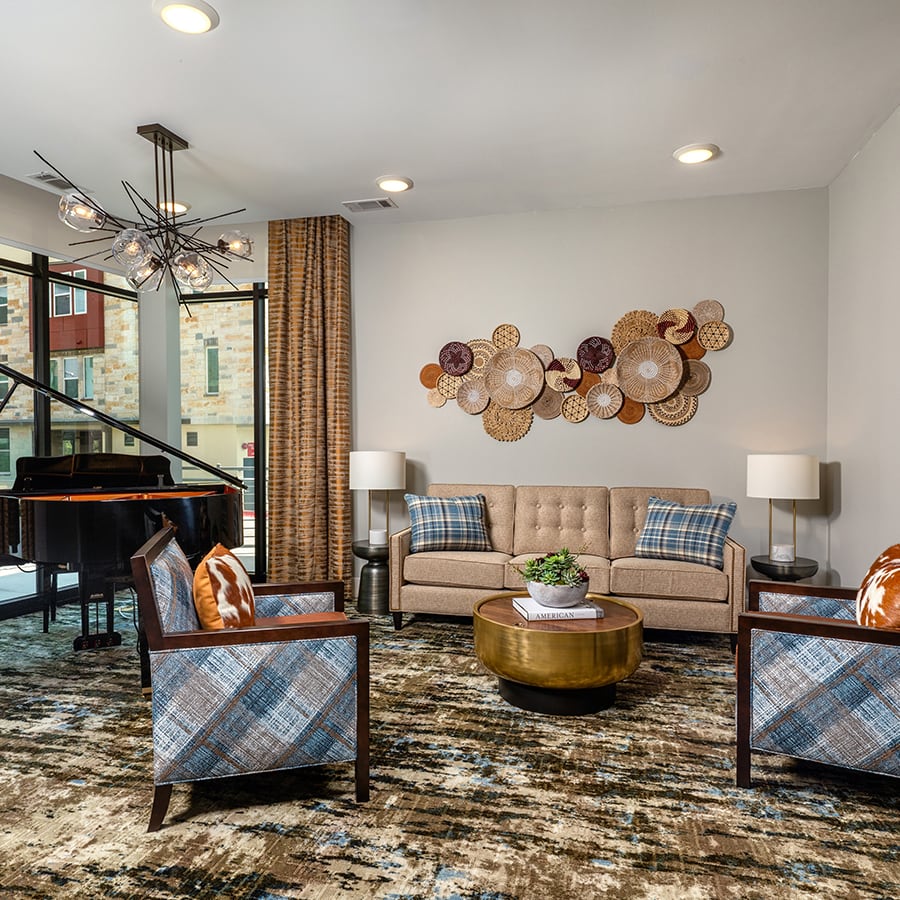
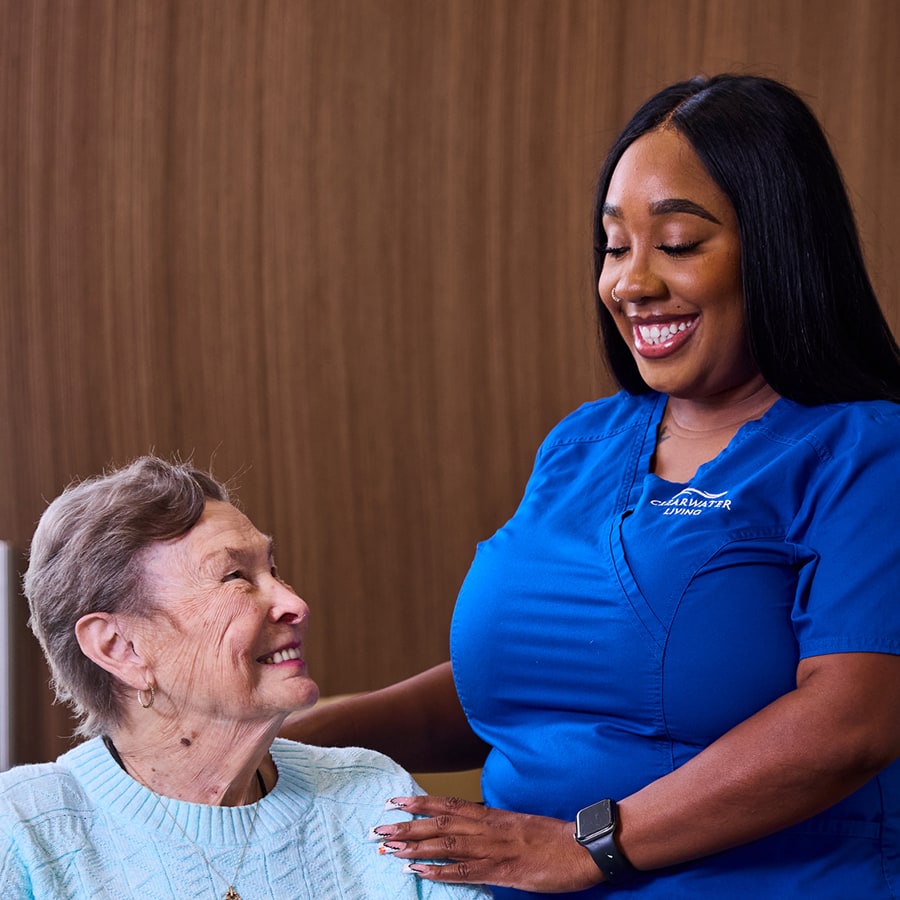
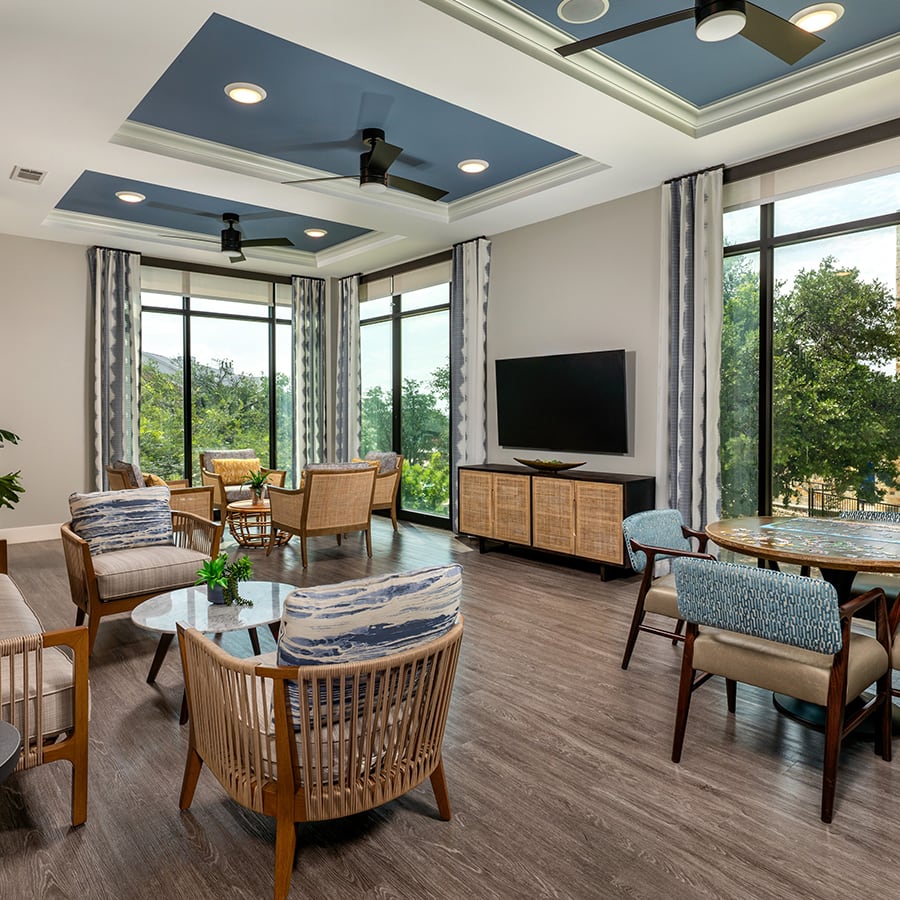
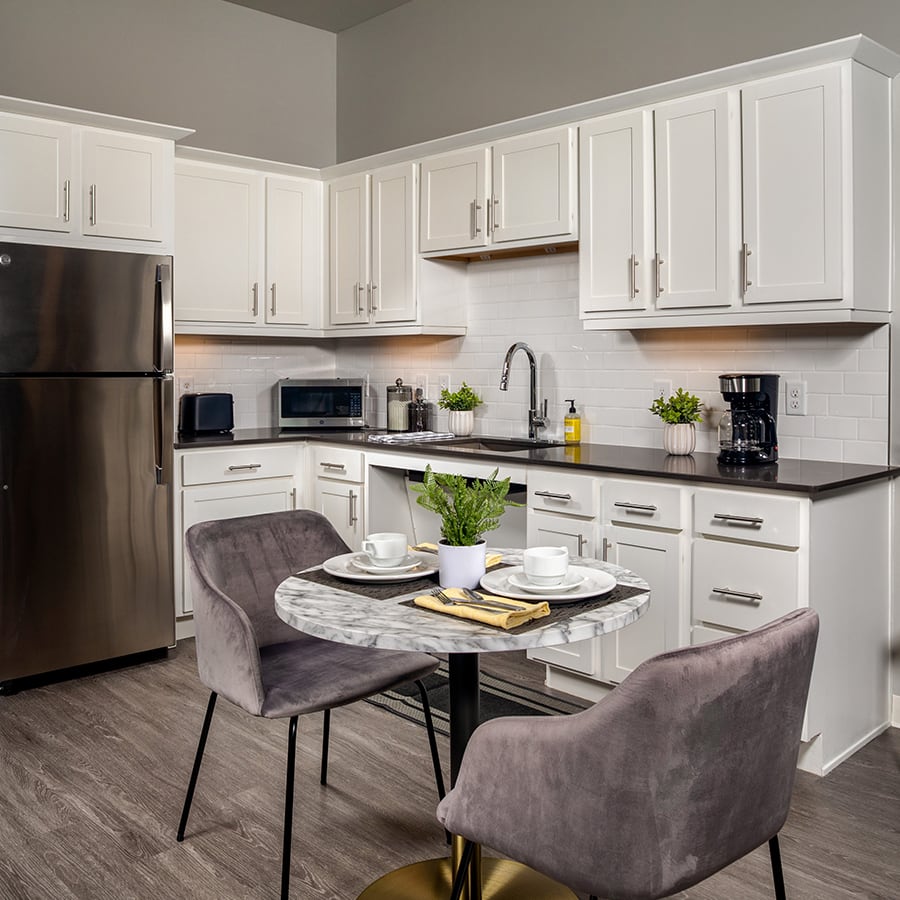
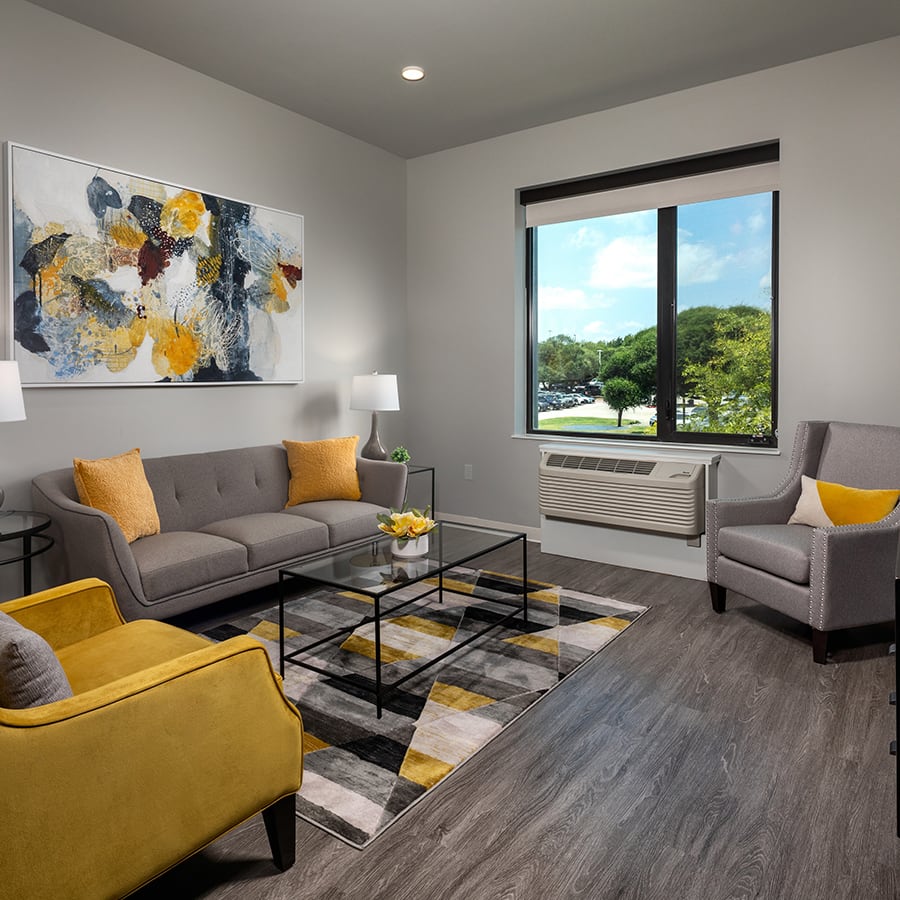
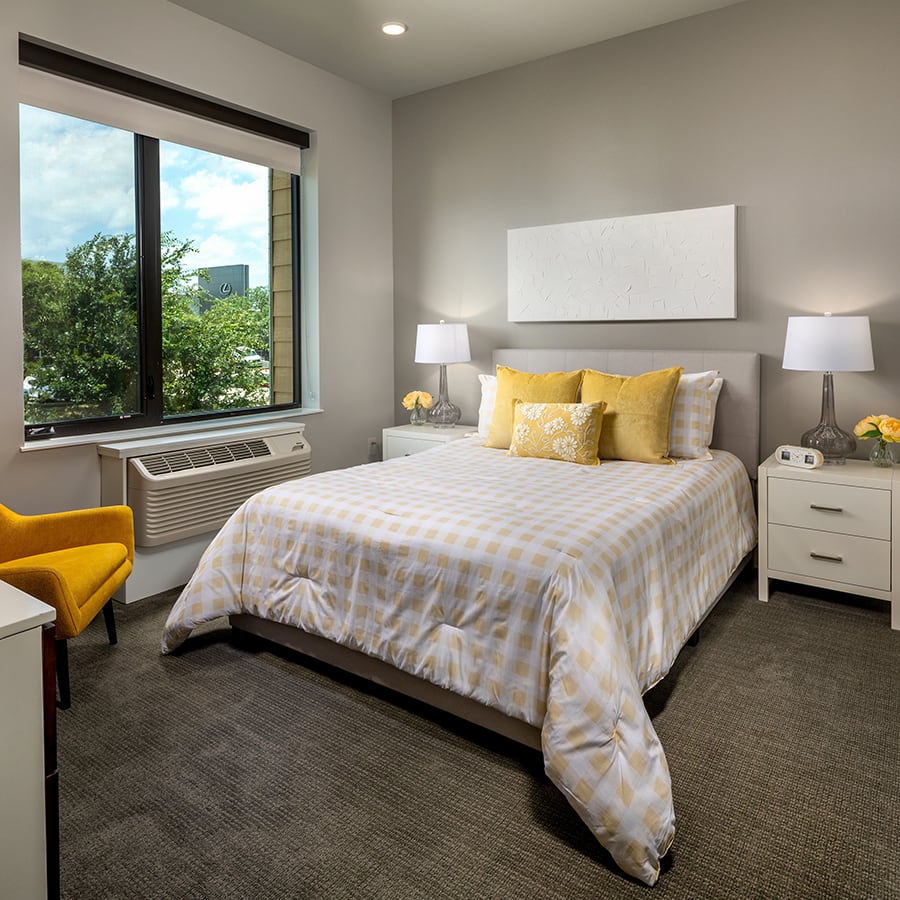
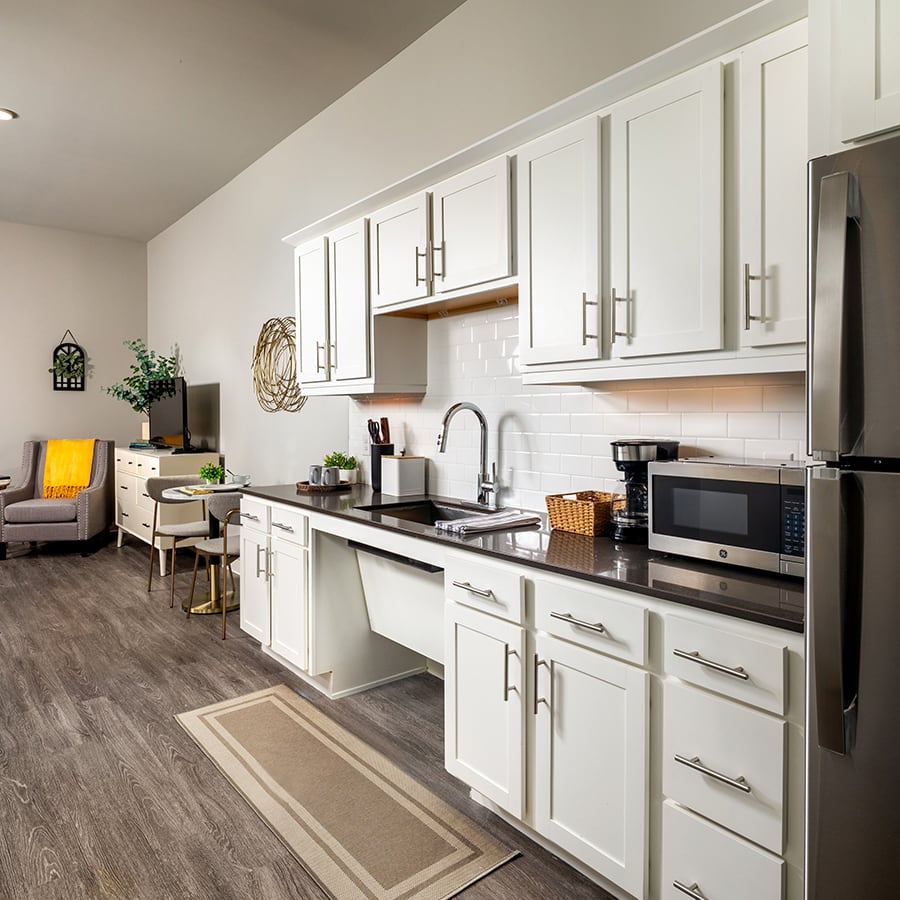
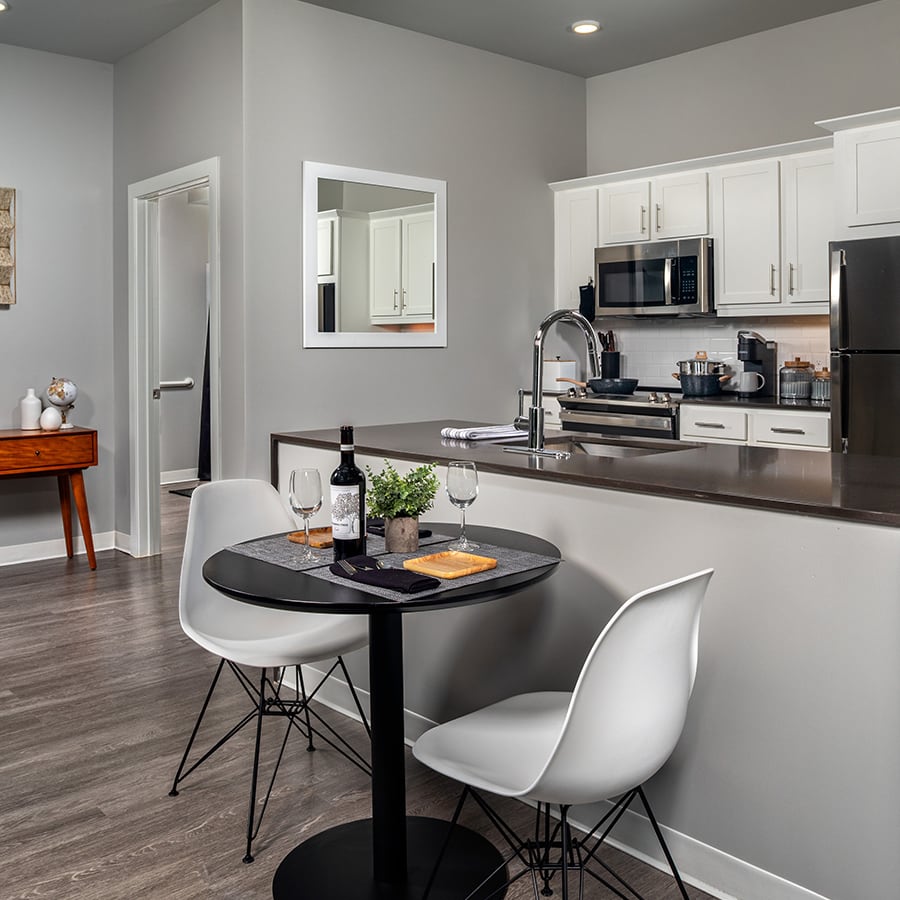
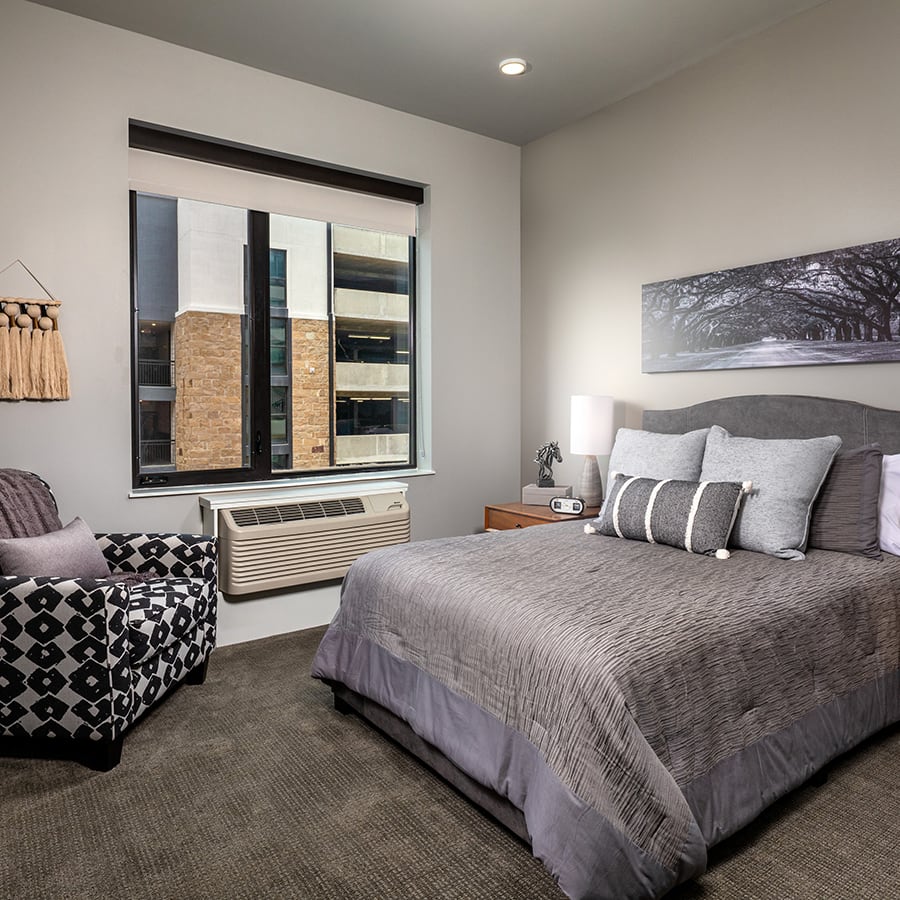
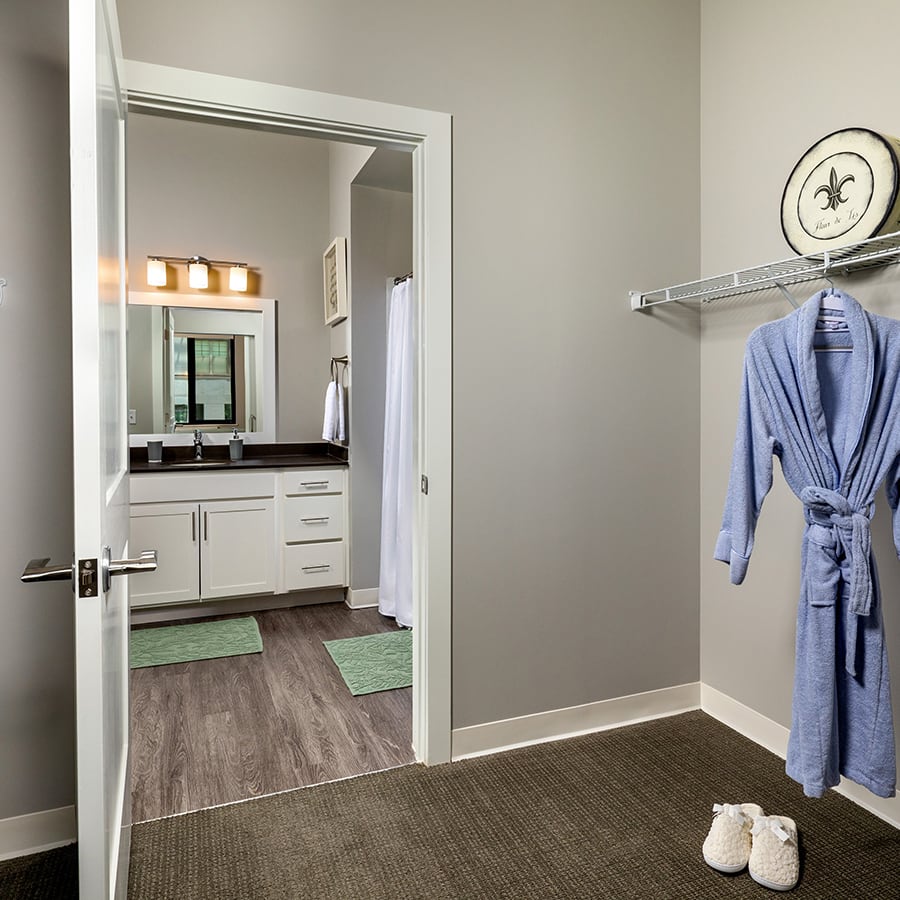
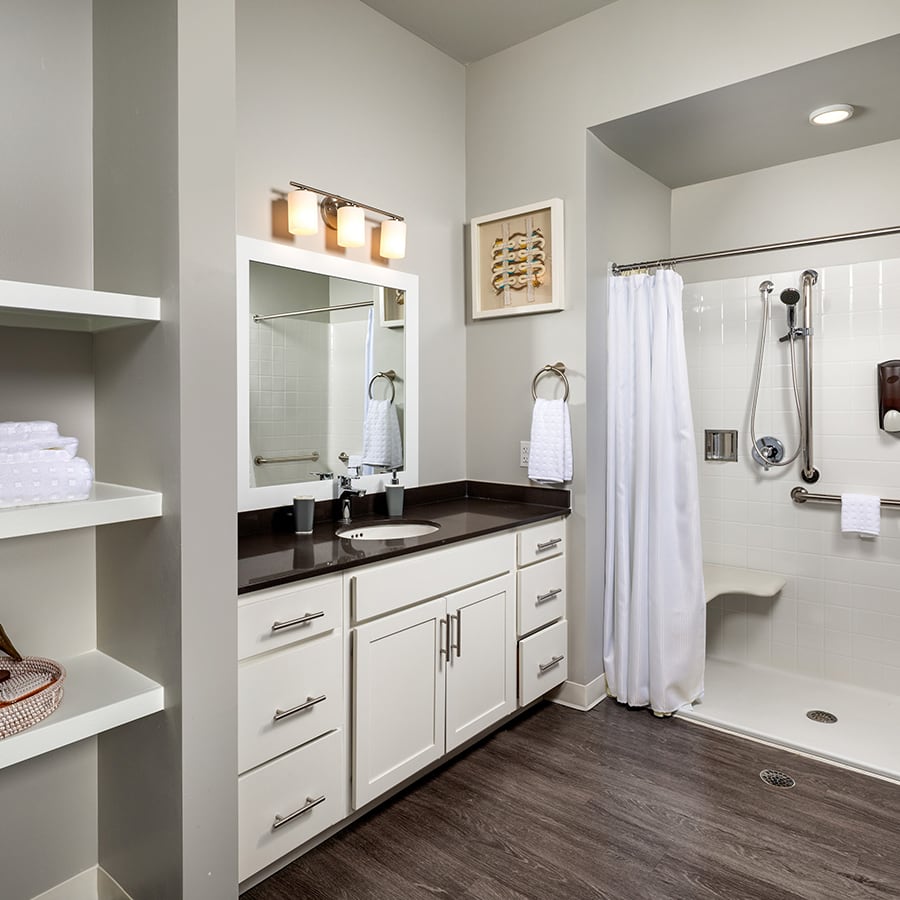
The right environment can turn daily movement from a chore into something you genuinely look forward to. When wellness programs, encouraging community members, and thoughtfully designed spaces are all around you, staying active starts to feel like a natural part of your day. Take a look at the amenities and services available to residents and see how every detail is designed to support an active, fulfilling lifestyle.
At Clearwater at The Arboretum, the focus is on helping you live fully, stay connected, and feel your best every day. Reach out to the team to learn more about how life here can support your health, your goals, and your sense of purpose.