Key Takeaways
- Functional fitness trains the movements you already use every day.
- Five simple moves cover most daily tasks, from standing up to reaching high shelves.
- Small, steady practice supports strength, balance, and independence
Movement That Matches Your Real Day
Every now and then, you bend down to pick up a dropped mail envelope. And every morning, you reach for a serving bowl on the top shelf.
Functional fitness trains your body for those exact moments. It features simple exercises that copy the way you move in real life, so daily living feels smoother and easier. October 28th is the day that marks National Senior Health and Fitness Day. And you can celebrate it by joining a group class, walking with friends, or trying one new move.
What Functional Fitness Means for Daily Life
Functional fitness centers on five basic movement patterns. Those are squats, lifts, reaches, twists, and carries. Every one of those patterns shows up in your day whether you plan for it or not.
Think about getting out of a chair. That’s a squat. And when you’re putting a folded sweater on a closet shelf, that’s a lift and a reach. Turning to grab your seatbelt is a twist. When you practice these patterns intentionally, the everyday version starts to feel easier.
Why Functional Fitness Matters as You Age
Strength, balance, and range of motion respond to practice. The old saying about “use it or lose it” fits mobility well. Movements you keep doing tend to stay comfortable helping to reduce the risk of falls and injuries. The ones you skip can start to feel unfamiliar as you age.
The real payoff isn’t a number on a scale. It’s keeping the freedom to handle your own tasks on your own terms. Regular activity can help you stay mobile and independent for longer.
Balance and Confidence on Your Feet
Balance work can help your steps feel steadier on uneven ground. Think a cobblestone garden path, a gravel parking lot, or a slightly raised sidewalk edge. A short routine of balance exercises for seniors can build that stability over time.
That steadiness can change how you move through your day. When you’re steady on your feet, you spend less time watching every step. That translates to more energy for you to enjoy what you like.
Everyday Wins You Can Notice
Progress here looks ordinary, but it doesn’t mean that’s not a win. You might notice a few of these small shifts.
- Rising from a chair without pushing off the armrests
- Carrying two grocery bags in one trip
- Reaching the high shelf without a step stool
- Turning to talk with someone behind you without shifting your whole body
Five Functional Fitness Exercises to Try
These moves cover the movements you use most. Start where you are. These exercises may feel challenging, but they should never hurt.
- Half squat or sit-to-stand. Lower toward a sturdy chair, then rise back up. Use your hands at first if you need to. You can try going hands-free after the routine feels more familiar.
- Overhead press with light weights. Hold a weight in each hand at shoulder height, then press up. This is the shelf-and-cabinet move.
- Farmer’s walk. Hold a weight in each hand and walk a short distance with good posture. This builds the carry strength grocery trips ask for.
- High-knee balance hold. You can stand near a countertop for support. Lift one knee and hold it for 15 seconds. Switch sides and repeat.
- Seated or standing twists. Turn your upper body gently from side to side. That keeps reaching and rotating comfortable.
Simple Equipment Options
You don’t need a complicated setup to get started. A few pieces of basic equipment cover everything you need.
- Light hand weights
- Resistance bands
- A sturdy chair without wheels
- Water bottles, which work well at home when weights aren’t handy
How to Start and Stay Consistent
Here’s a helpful trick. Begin with the movement that feels hardest right now. If standing up from a low chair gives you trouble, that’s the one worth practicing first.
Aim for two sessions per week. That’s enough to build a rhythm without overwhelming you. A little challenge is a good sign, but pain is a signal to take a step back. Adjust the movement, shorten the hold, or lighten the weight before you continue.
Walks as Your Daily Base
Walking ties everything together. Short walks count. The right distance looks different for each person. That’s why you might want to determine that based on how you personally feel.
Once your usual loop feels easy, consider adding an extra set of stairs. Small additions keep your legs working in new ways.
Ways Senior Living Supports Movement
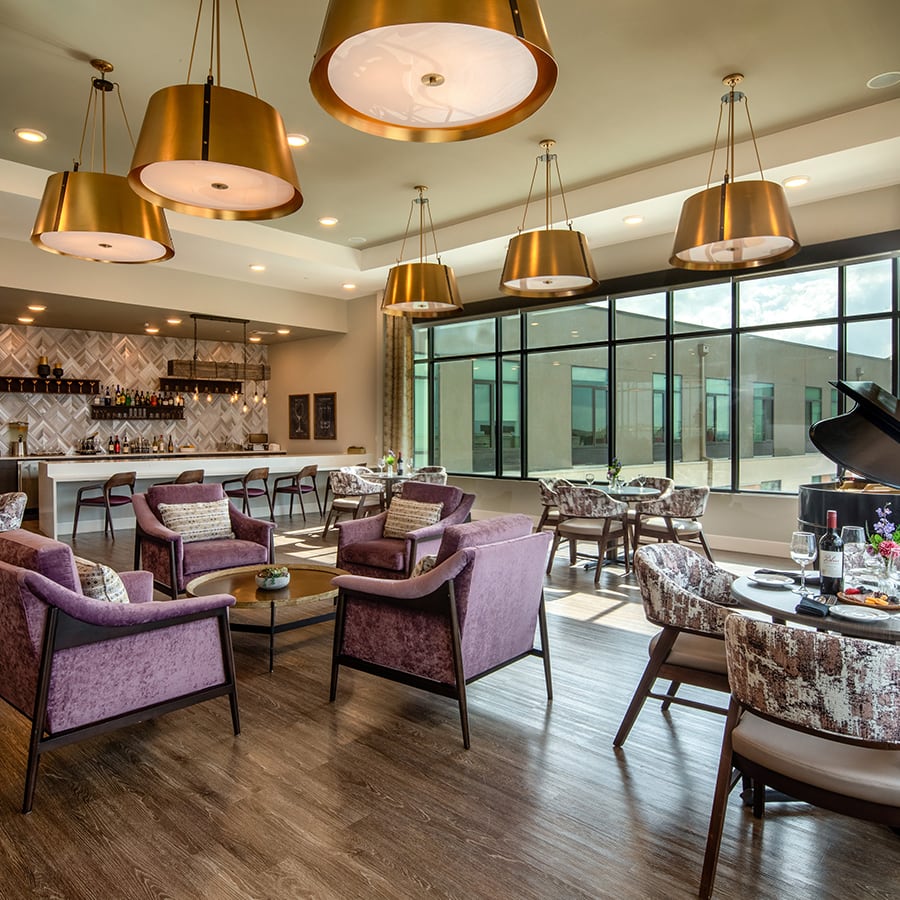
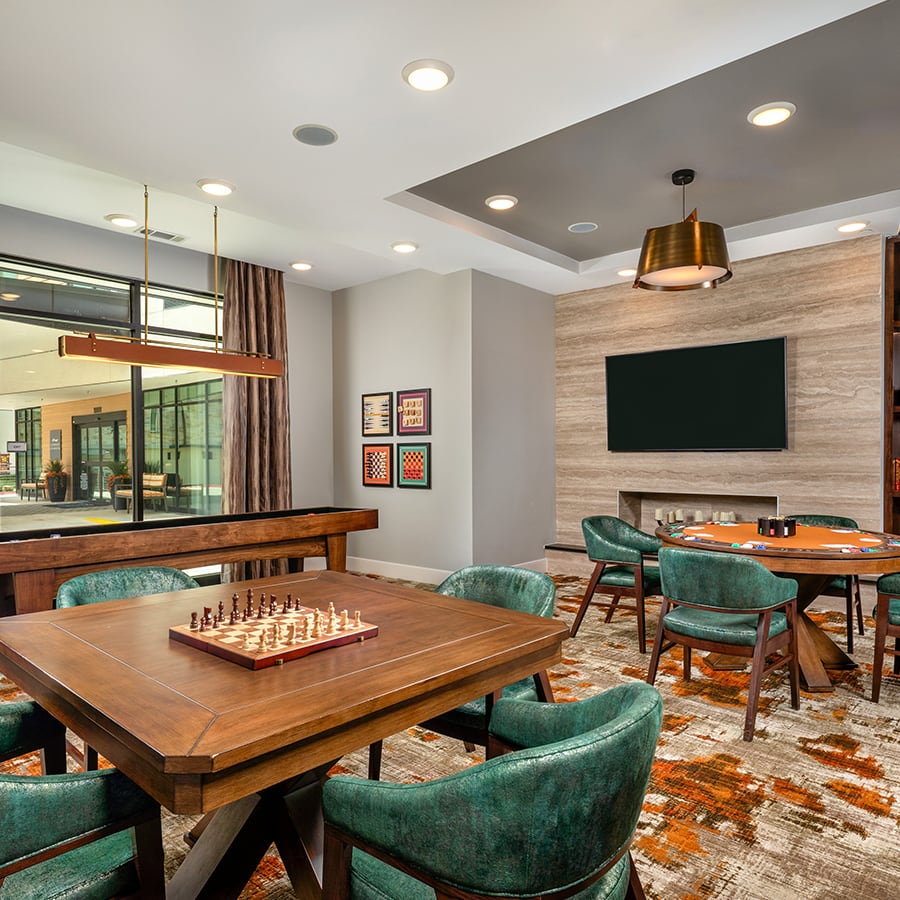
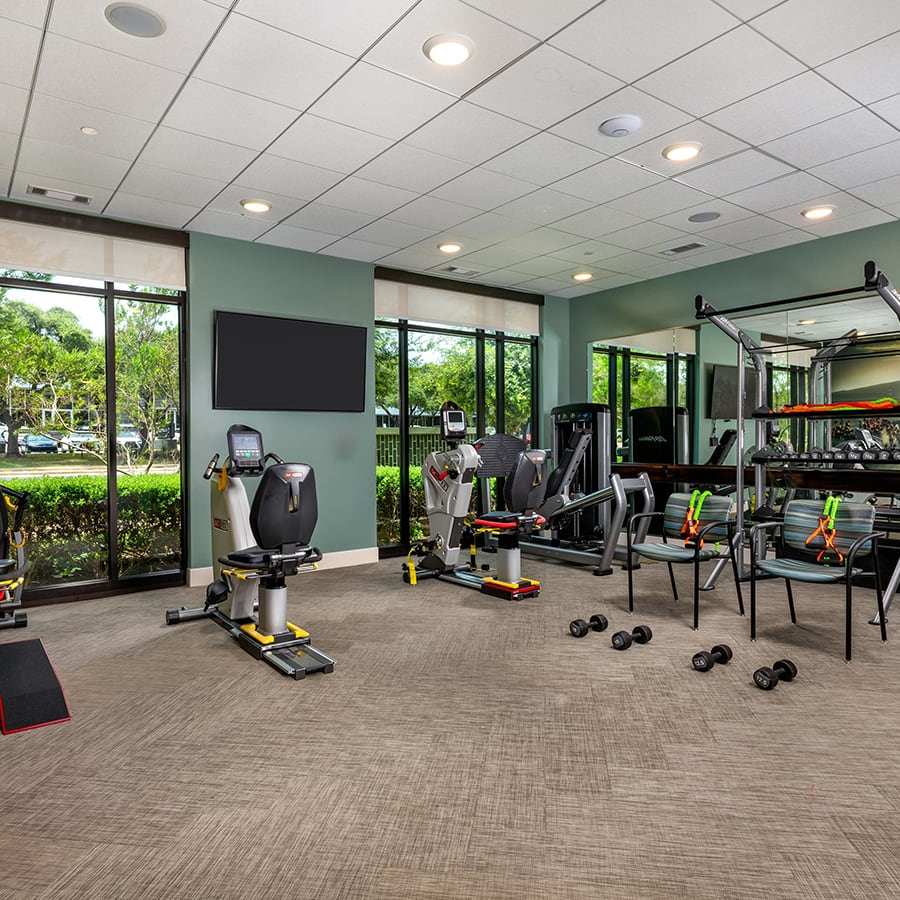
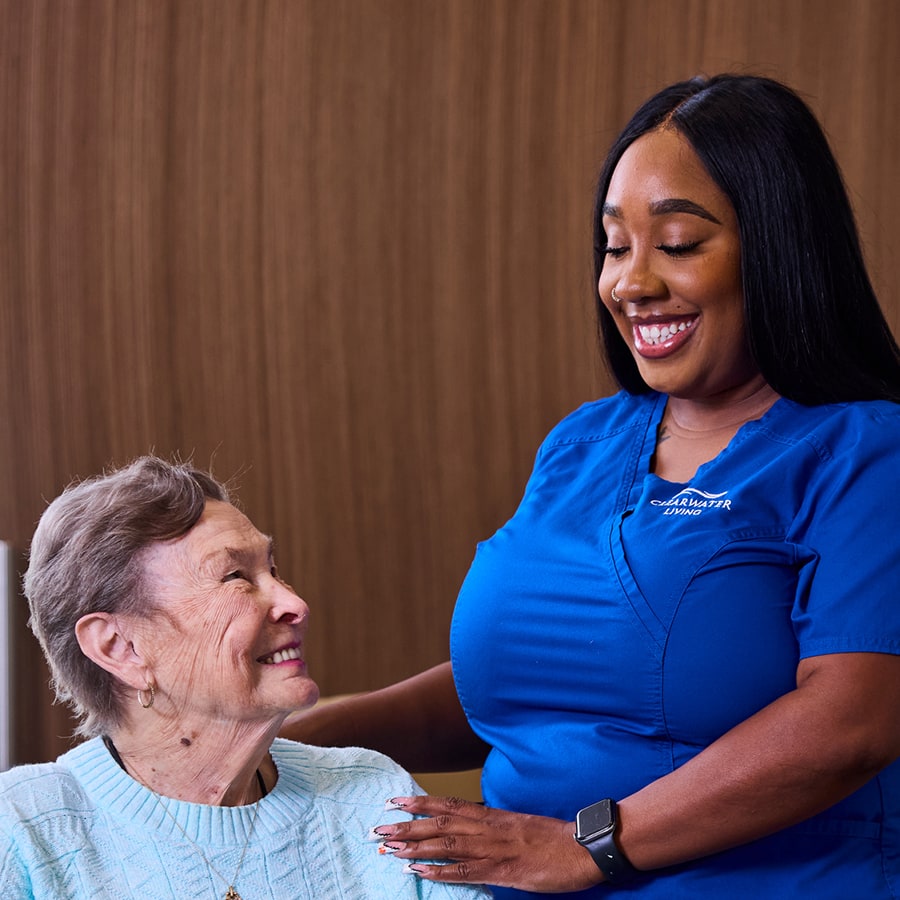
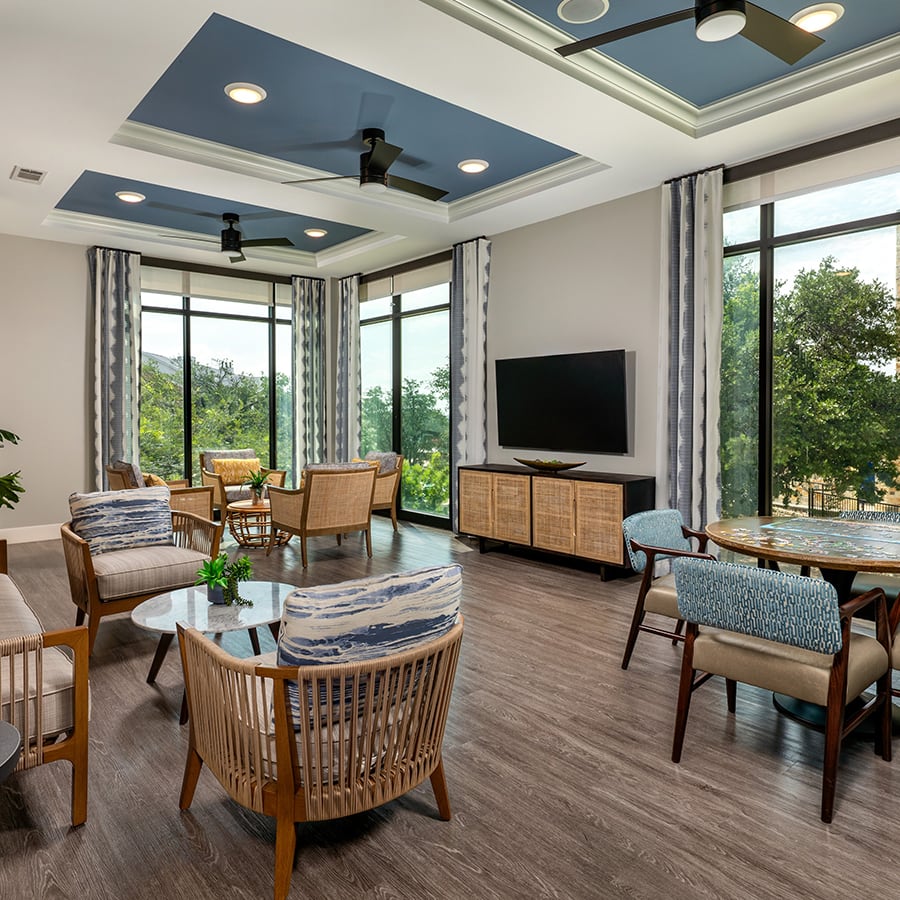
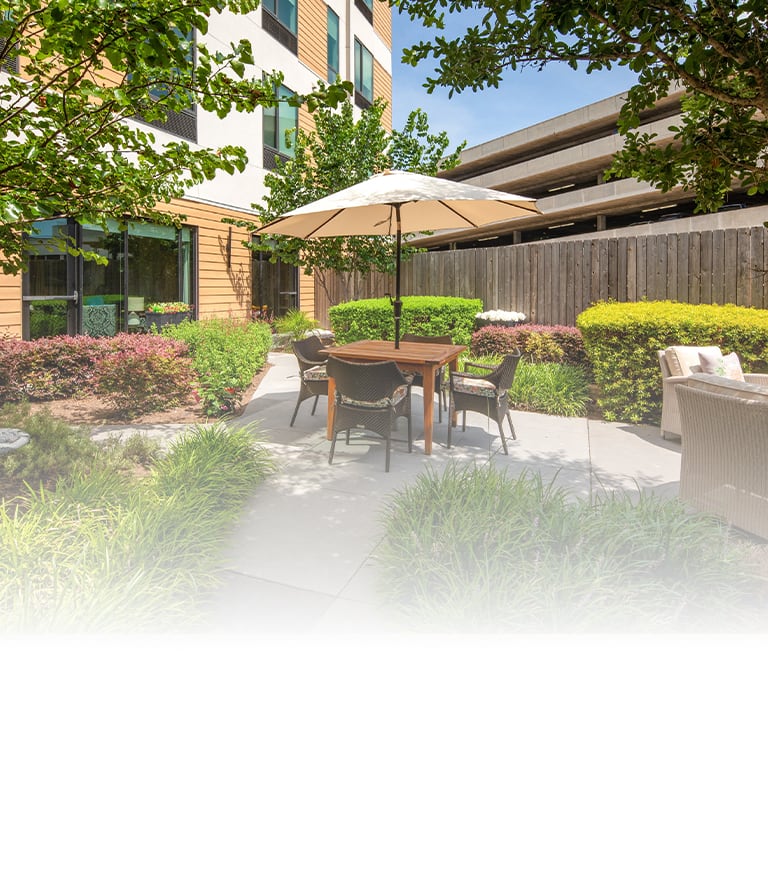
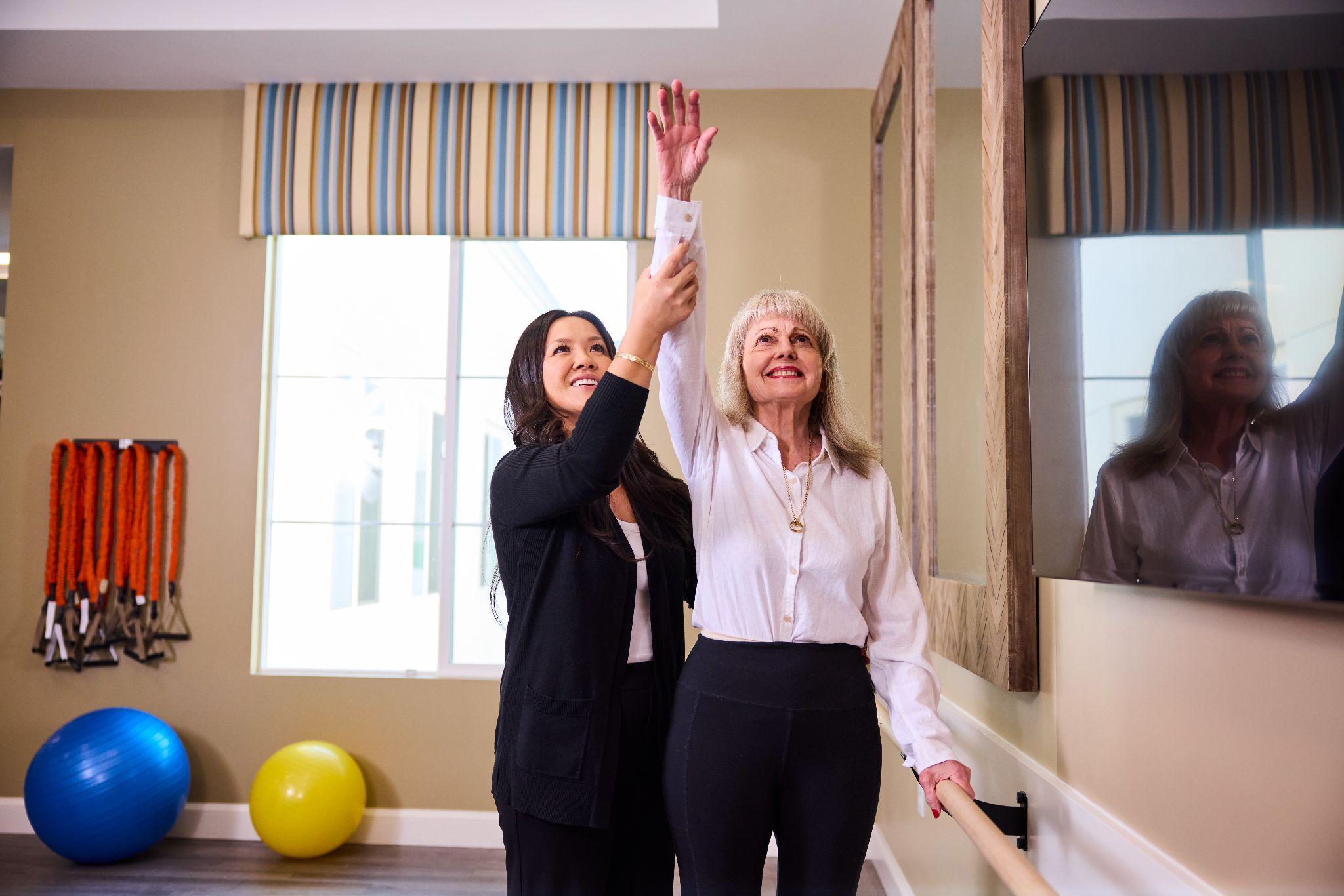
A community setting makes staying consistent far easier. Group classes give you a set time and friendly company as the monthly calendar of activities keeps options fresh. Walking paths turn exercise into a delightful stroll with friends rather than a chore.
Wellness programs in assisted living and memory care add gentle encouragement. The goal is to weave movement into daily living. In senior living, that steady rhythm often comes with conversation, laughter, and a reason to keep showing up.
Move Well at Clearwater at The Arboretum
Strength shows up in small ways. It could be a chair that you rise from easily. Or a walk you take without a second thought. At Clearwater at The Arboretum in North Austin, our team strives to support residents in staying active and connected.
Reach out to schedule a visit today and see how daily movement becomes a part of daily life here. Our team is always happy to show you how leading an active life can spark joy and comfort.